The call came into Inyo County dispatch at 14:47 on the afternoon of April 9, 2026. A climbing party of three on the East Face of Mount Whitney had watched their second man take a forty-foot tumbling fall out of the Mountaineer's Couloir at roughly 13,800 feet. He had stopped on a small ledge above the Notch and was conscious but not moving his legs.
The reporting party was Daniel Ruiz, a forty-one-year-old surgical resident from Bishop, who had clipped his InReach to the outside of his pack that morning out of habit rather than concern. The message reached Inyo County Search and Rescue by way of Garmin's emergency response coordination centre in Texas, then by satellite phone to a volunteer named Carla Brevard, who was at her sister's birthday lunch in Big Pine when she answered.
Brevard left the restaurant and was at the SAR cache in Independence by 16:10. By then five other volunteers had also arrived. The CHP helicopter out of Apple Valley, H-82, was committed to a vehicle extrication on the Cajon Pass and would not be free until after dark.
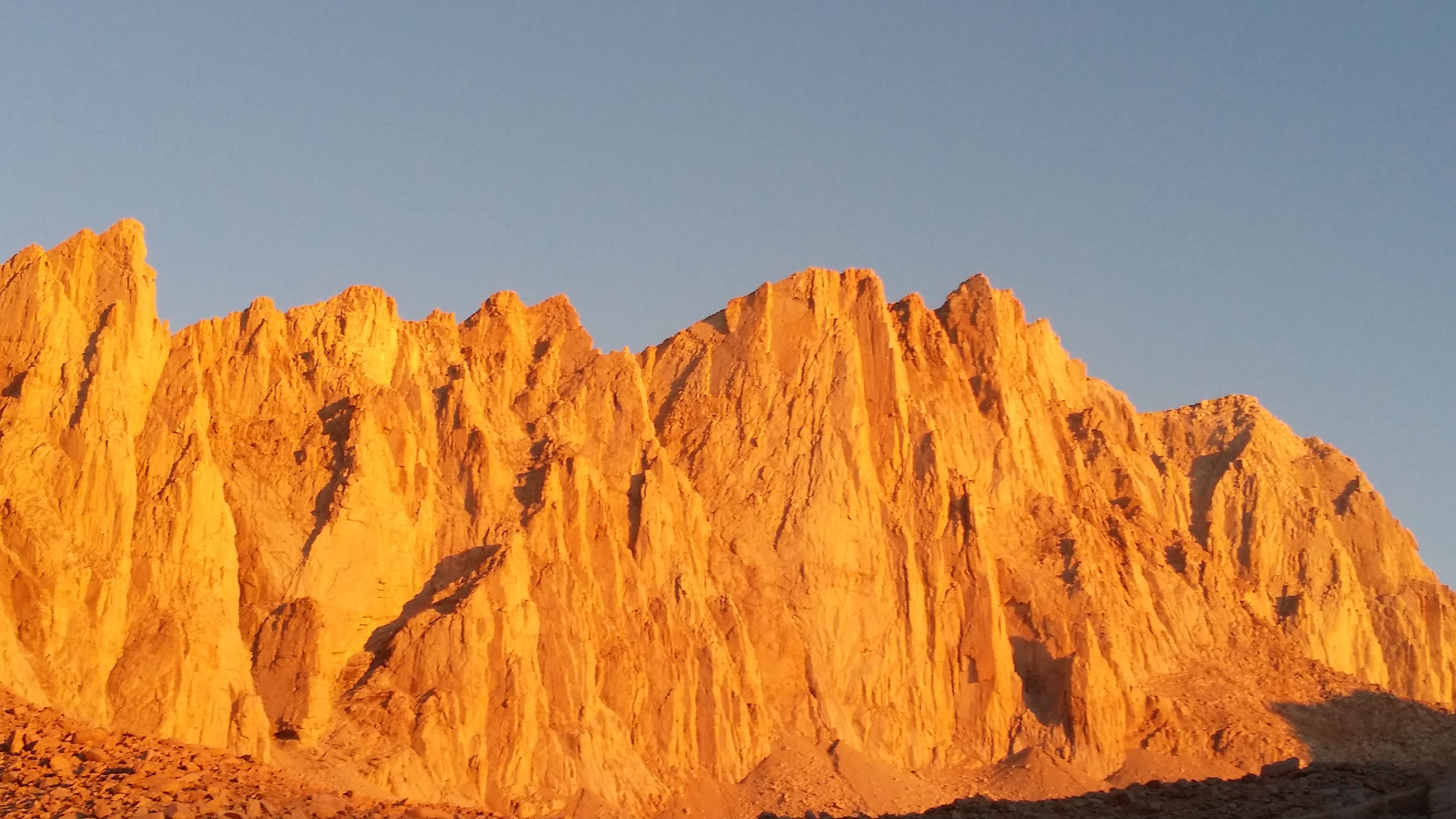
The East Face of Whitney is not a difficult climb by Sierra standards. It was the route Norman Clyde and Glen Dawson and Jules Eichorn first did in August 1931, and in good summer rock it goes at low fifth class. In April, with the Mountaineer's Couloir still holding winter snow and a refreeze layer over the top six inches, it is a different proposition. The party of three had been climbing on a single sixty-metre half rope, moving together with intermediate protection. The fallen man, Ethan Voss, thirty-three, was the middle climber.
Voss had peeled out of a moderate snow step about ten metres above the belay. He had taken his partner Renata Sklar with him for the first twenty feet before her placement, a short Black Diamond Stopper in a crack at the couloir's left wall, held. The rope cut across her bare hand as she caught the weight. She was still wearing the same single glove when SAR found her almost twenty hours later.
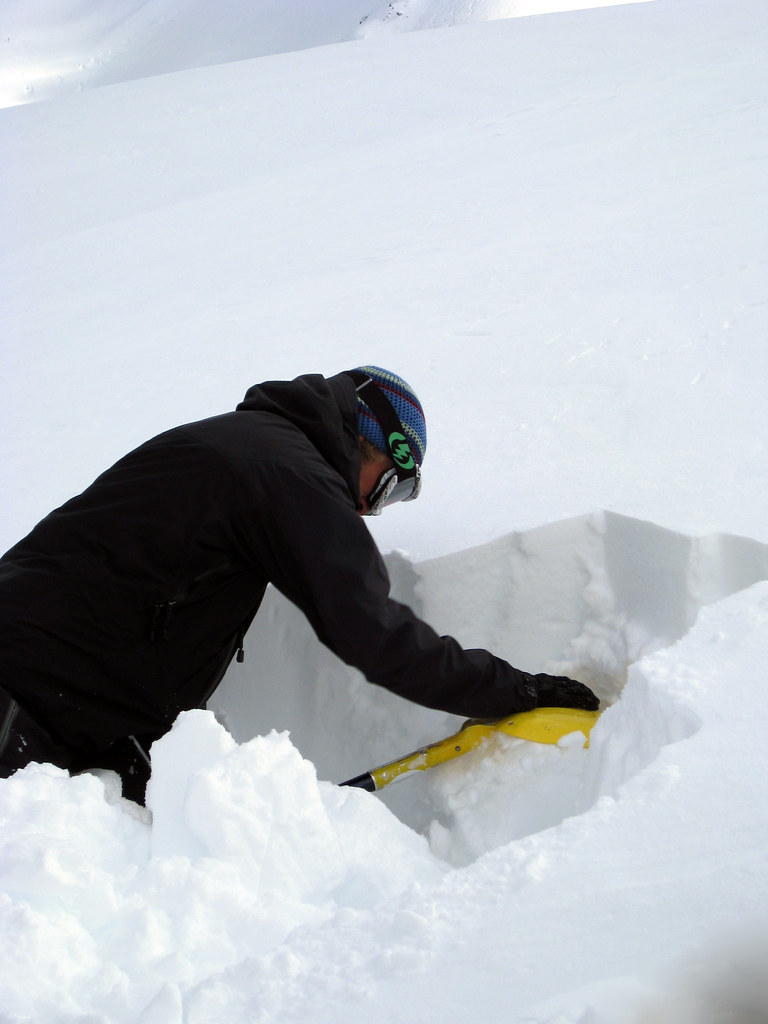
The third climber on the rope, a Mammoth Lakes resident named Joaquín Bremer, lowered himself fifteen metres to Voss on a Munter hitch and made the initial assessment. Voss had a likely pelvic fracture, a clear ankle deformity on the right side, and a deep laceration above his left eye. He was alert but in shock. Bremer rigged a tether to a single hex placement and stayed with him.
By 19:30 a six-person SAR ground team had reached Trail Camp at 12,000 feet. The plan was straightforward and bad. They would carry technical gear up the Mountaineer's Route, climb to the Notch, traverse onto the East Face at the level of the Fresh Air Traverse, and lower Voss in a Bauman bag to a transferable belay below the worst of the couloir. From there the helicopter would have a hover-load option above the upper boulder field at first light.
The first technical team reached the casualty at 02:14 on April 10. The temperature on the ridge was, by the field log, minus eleven Celsius with a steady ten-knot wind out of the southwest. Voss had been on the ledge for eleven hours and twenty-seven minutes.
Brevard, who is a registered nurse in her professional life, took over patient care from Bremer. She splinted the ankle with a SAM splint and an ice axe, stabilised the pelvis with a commercial pelvic binder, and started a slow warming protocol with chemical heat packs. The eye laceration she closed with three sterile strips. She did not start an IV. The cold made it pointless.
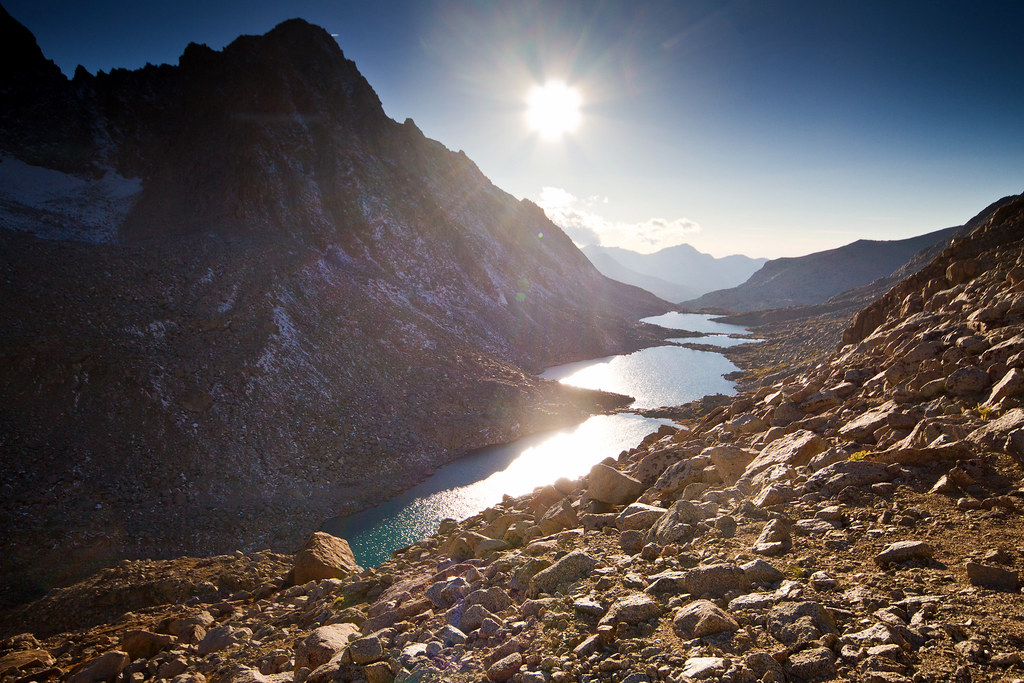
The lower took the rest of the night. SAR worked in three-person teams off two bolted anchors that the Inyo SAR cache keeps for exactly this purpose, placed in 2014 by a guide named Doug Nidever and inspected each spring. Voss came down in two stages, the first a sixty-metre lower over the steepest of the couloir's bulges and the second a thirty-metre lower into the boulder field above Iceberg Lake.
The CHP helicopter arrived at first light, hovered at 12,800 feet with one skid on a flat rock, and lifted Voss off the mountain at 06:48. He went to Northern Inyo Hospital in Bishop and from there to Renown Medical Center in Reno. As of mid-May he was walking with a cane.
Inyo SAR is a volunteer team of fourteen, supported by a paid coordinator and a county sheriff's deputy who oversees the unit. They handled forty-one callouts in 2025, of which nine involved technical climbing rescues above 12,000 feet. The Whitney call was their first of 2026.
Brevard, when asked about the choice to keep going through the night rather than wait for the helicopter, said that the helicopter was always a maybe and the team on the ground was always there. The Sierra forecast for the morning of April 10 had called for a building southwest wind at altitude, which would have grounded the helicopter for most of the day. The team had made the right call without knowing it would be the right call.
Voss's gear, retrieved over two later trips by Bremer and Sklar, included the cracked helmet that almost certainly kept the eye injury from being a head injury. The helmet was a Petzl Sirocco. The compression dent above the left ear was forty millimetres across.
The Mountaineer's Couloir on the East Face has had three rescues in the past decade, all of them in April or May, all of them on the same general line. Sierra spring conditions are reliably bad in a particular way. The snow is heavy and refrozen by morning, the cornices are still in, and the rock is not yet dry enough to climb without crampons. The window between true winter and true summer is the window in which most accidents happen.
Doug Nidever, the guide who placed the rescue anchors twelve years ago, has been on the East Face by his own count more than two hundred times. He estimates he has avoided five or six accidents that other parties did not. The difference, in his telling, is whether you turn around at the Notch when you do not like what you see.
Voss has not said publicly whether he will go back to the East Face. He has said that he would like to thank Carla Brevard in person, and that he hopes she replaces the glove she lost on his rope.
Inyo SAR's annual budget is roughly sixty-eight thousand dollars, most of it from the Inyo County general fund and the rest from a small foundation in Bishop. The team does not charge for rescues. None of the Sierra county teams do. The cost of the Whitney rescue, including the helicopter time, was a little under nineteen thousand dollars. The volunteer hours, valued at the federal volunteer rate, were another twelve.
It is not a small operation, even when it goes well. It is the work of about thirty people, awake through one cold night in April, to bring one man down from one ledge on one mountain that he should have, by his own account, turned back from.