On 2 June 2026 at 07:30, Lucia Marengo left her family's bookshop in Courmayeur, walked across the Piazza Brocherel, and joined the Tour du Mont Blanc at the trailhead behind the Hotel Cresta et Duc.
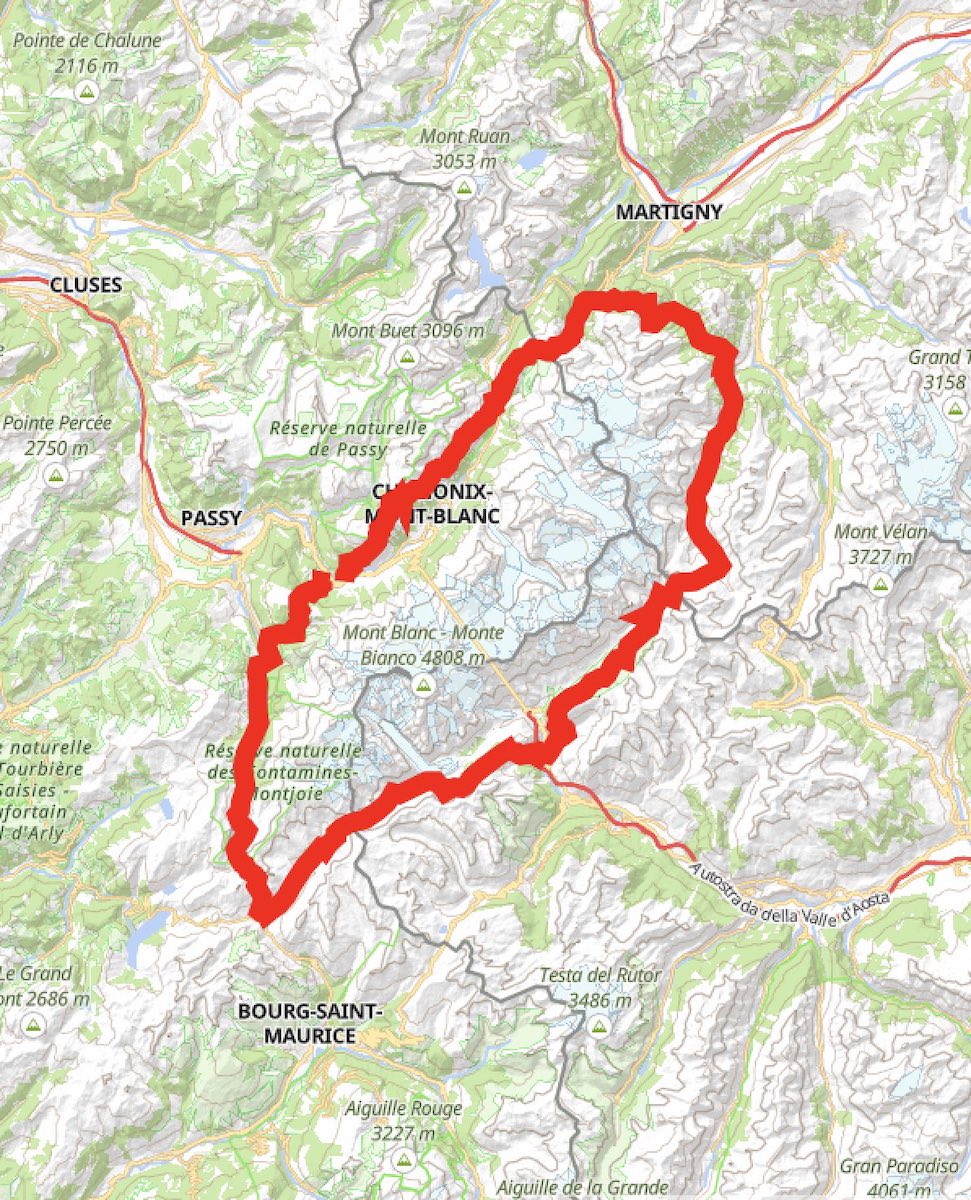
The Tour du Mont Blanc is a 170-kilometre walking circuit that crosses three countries — Italy, Switzerland, and France — and gains and loses approximately 10,000 metres of elevation across roughly eleven walking days.
It was first walked as a complete circuit by Horace-Bénédict de Saussure in 1767 and has been a marked, hut-served route since the 1960s. In 2026 it is among the most-walked long-distance trails in the Alps.
Marengo walked the route counterclockwise, which is the older direction and which she prefers because it leaves the Italian side, the most populated and the most commercial, for the closing days.
Day one took her over the Col de la Seigne at 2,516 metres and down into the Ville des Glaciers in France, a working dairy hamlet of four buildings and a small refuge.
The refuge that night, the Refuge des Mottets, served a five-course dinner of crudités, soup, beef daube, cheese plate, and a tarte aux myrtilles. She slept in a bunk room of fourteen with a Belgian father-and-son walking the circuit clockwise.
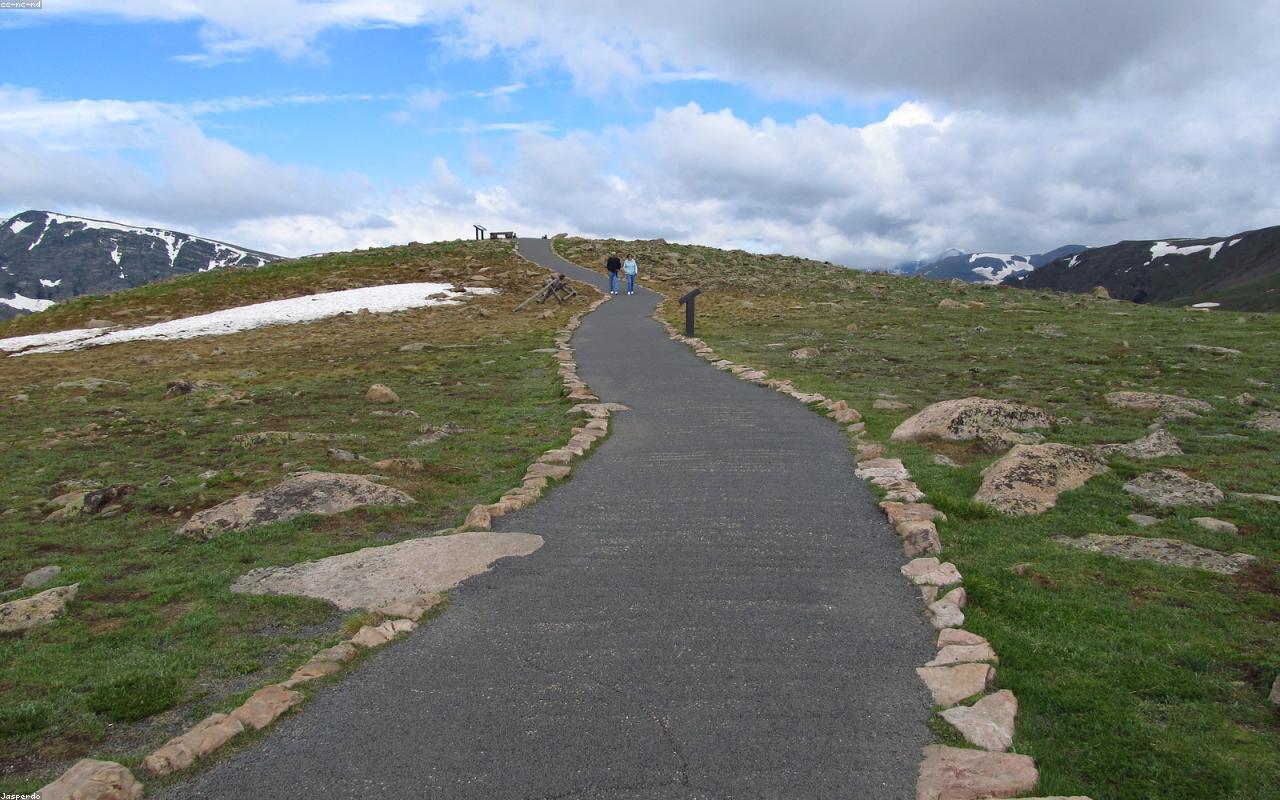
Day two took her over the Col de la Croix du Bonhomme at 2,479 metres in snow above 2,200 metres. June is shoulder season on the Tour and there were patches of consolidated old snow on the north-facing slopes of all the higher cols.
Marengo carried a 35-litre pack with a sleeping liner, three sets of clothes, a Goretex jacket, a fleece, a sun hat, a head torch, a 1-litre water bottle, ten muesli bars, two pairs of socks, and a paper map of the route at 1:50,000.
She did not carry a tent, a stove, or food beyond the muesli bars. The huts on the Tour are spaced at one-day intervals and supply both demi-pension dinner and a small picnic for the following day for an additional eight Euros.
Day three crossed the Col du Bonhomme and descended into Les Contamines-Montjoie, a working ski village at 1,164 metres with a small supermarket, two churches, and a 12th-century covered wooden bridge.
She slept that night at the Auberge de la Roselette above the village, which is run by a former French national skier and her husband, and which serves a menu of tartiflette and Reblochon that has not changed in thirty years.
Days four and five took her over the Col de Voza into Les Houches and then up the long valley to the Refuge Bellachat under the Aiguilles Rouges, which is the second-finest viewing point on the entire circuit.
Day six crossed the Col de Balme into Switzerland and descended into Trient and Champex-Lac. She reached Champex in evening rain and slept in a small pension above the lake that had been recommended by her uncle.
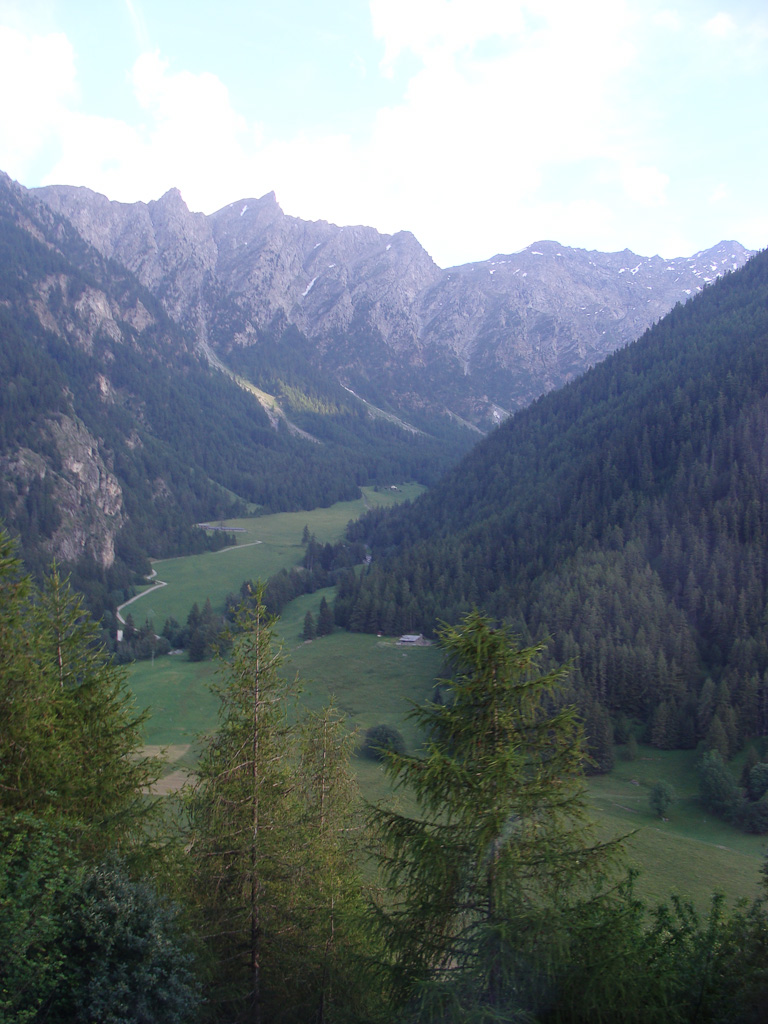
Days seven and eight took her over the Bovine variant of the Fenêtre d'Arpette and into the Val Ferret on the Swiss side, which is the most pastoral section of the entire route.
She crossed the Grand Col Ferret on day nine at 2,537 metres in good weather, which is rare for early June, and descended into the Italian Val Ferret to the Refuge Bonatti.
The Refuge Bonatti, named for Walter Bonatti and opened in 1998, sits at 2,025 metres on a grassy bench above the valley. The warden, Sara Ferrari, has run the hut since 2014 and is one of the most respected refuge keepers in the Aosta Valley.
Day ten was a short day, descending the Val Ferret to Arnouvaz and walking on into La Vachey for the night. Day eleven was the closing walk over the Col Sapin and into Courmayeur via the Val Sapin.
Marengo reached the Piazza Brocherel at 16:40 on 12 June, eleven days after she had left. She walked across the square, into the bookshop, and accepted a coffee from her brother without saying anything for several minutes.
The Tour is, she said later, a route that punishes underestimation in small ways and rewards adequate preparation generously. Most parties who attempt it complete it. The attrition rate is low because the trail is well-marked and the huts are reliable.
What walkers often get wrong is the pace. The Tour is not a route to push. The walker who completes it in seven days has done a different thing than the walker who completes it in eleven, and the second thing is what the Tour was designed to offer.
Marengo walks the Tour once every three or four years, usually in early June or late September. She finds the circuit useful as a kind of long calibration, a way of measuring her own slow change against the slow change of the route.
The route does not change, of course. The huts replace their roofs and the wardens retire and the cols shed their old snow at slightly different dates each year. But the line itself, drawn between three valleys around the highest mountain in the Alps, is the same line de Saussure walked in 1767.