On the 28th of October, the last truck of apples left the cold-storage shed at Reckong Peo, three kilometres down the slope from Kalpa, and the apple-growing year in the upper Sutlej valley was effectively finished.
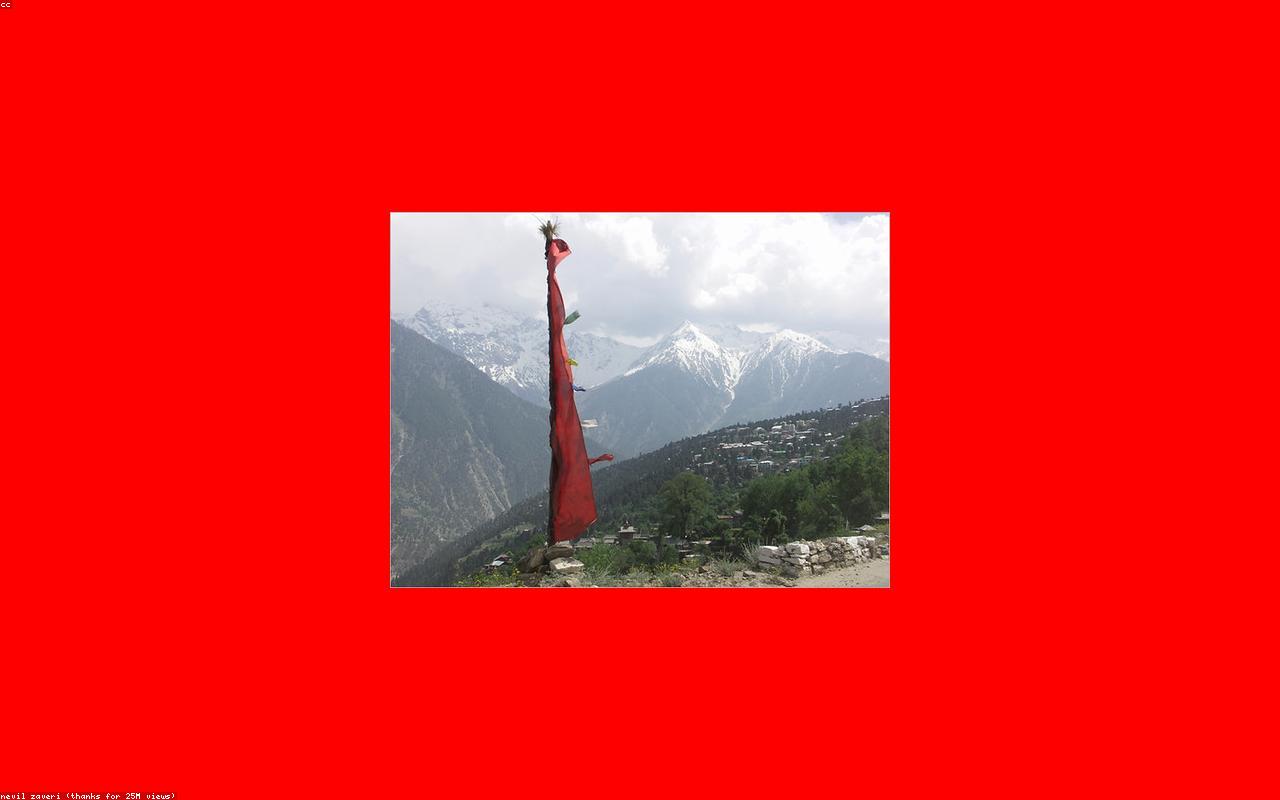
Kalpa sits on a terraced slope at 2,960 m above the Sutlej river in the Kinnaur district of Himachal Pradesh, India. Across the valley, perhaps eight kilometres away as the eye measures, the 6,050 m summit of Kinnaur Kailash rises directly out of the river gorge.
Kalpa's year-round population is approximately 1,400. The neighbouring administrative town of Reckong Peo, where the district government offices sit, has another 2,500. Together they are the principal settlement of upper Kinnaur.
Between the end of the apple harvest in late October and the first heavy snow, which usually arrives in early December at this elevation, there is a five-week window in which the village is briefly quiet.
The apple trade structures the year in Kalpa. The Kinnauri apple — most commonly the Royal Delicious and Red Delicious varieties — is among the most prized in India, and the harvest from August through October dominates village life. By November the work is done and the trees are bare.
Devraj Negi, who farms two hectares of apple orchard on the terraces below the village, sold his last consignment to a Delhi-based broker on the 24th of October. He estimated his 2026 yield at approximately twenty-three tonnes, slightly below the previous year.
Negi's family has farmed in the same terraces since at least the 1890s. The Negi surname is among the most common in the village; the Negis trace lineage to the original Kinnauri kanets who held land here under the Bushahr kingdom before British administration.
The Kinnaur Kailash mountain across the valley is sacred in both Hindu and Buddhist tradition. A circumambulation route — the Kinnaur Kailash parikrama — runs from the village of Tangling, around the mountain, and back to the Sutlej valley over a 5,242 m pass. The route is closed by snow from late October until June.
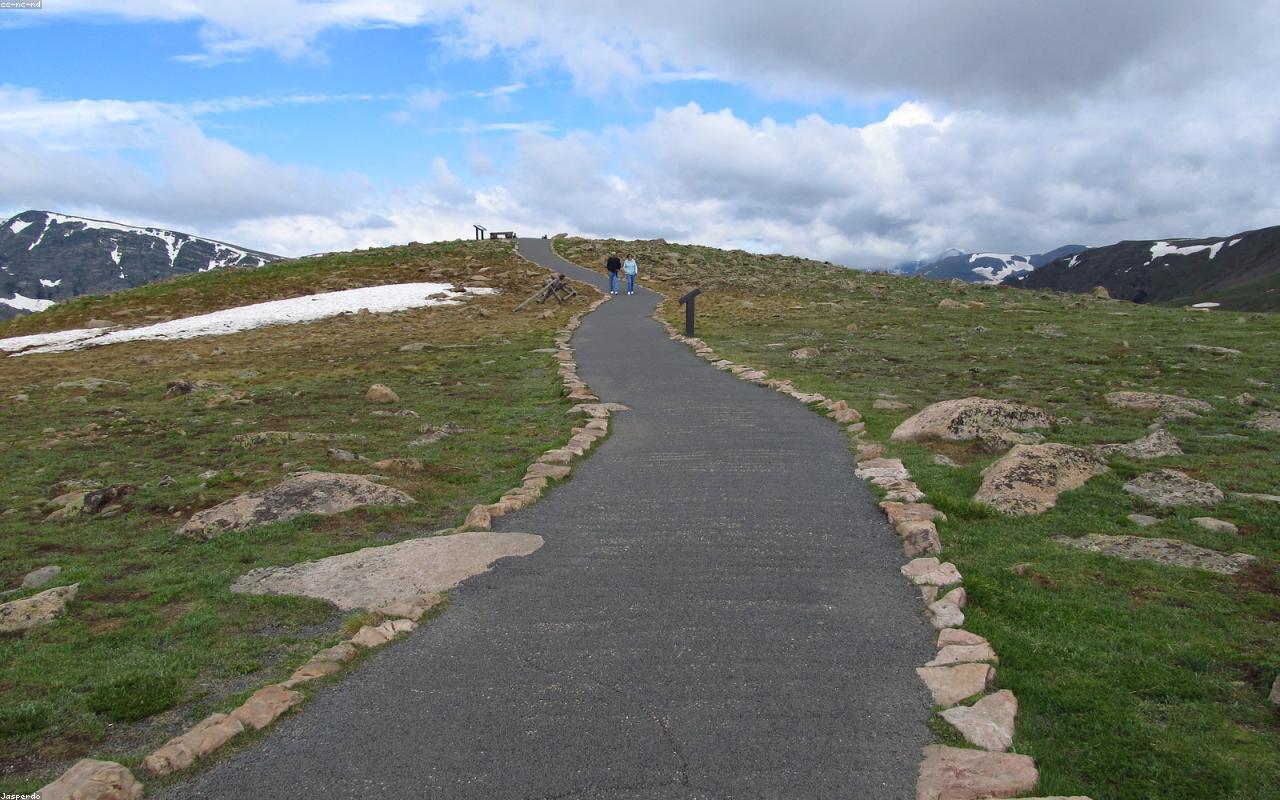
In the last week of October the upper slopes of Kinnaur Kailash had received their first dusting of new snow, and the summit pyramid was visibly white from Kalpa's main viewing platform behind the Hu-Bu-Lan-Kar monastery.
The monastery itself, a small Drukpa Kagyu institution rebuilt in the early 2000s after fire damage, has perhaps a dozen resident monks in the late autumn. The monks come up from Spiti and the lower Kinnaur valleys; in midwinter the community shrinks to four or five.
The village's main commercial street runs perhaps two hundred metres past a small Hindu temple to Chandika, two general stores, a tea stall, and the upper terminus of the road that climbs from Reckong Peo. There are no traffic lights.
Mrs Geeta Bhandari has run a small general store on the main street since 1998. She said the late-October period is the only time of the year she can take a half-day off without losing business. In summer the trekkers come for Kinnaur Kailash. In winter the apple buyers come for accounts. In November there is no one, she said.
The road from Shimla to Kalpa, the National Highway 5, is open year-round but is regularly closed by landslides in monsoon and by snow above Powari in midwinter. In late October it is usually at its most reliable.
The journey from Shimla, the state capital, to Kalpa takes approximately ten hours by road over a distance of 240 kilometres. The road climbs from 2,200 m at Shimla to 1,200 m at the Sutlej crossing at Tapri and then back up to nearly 3,000 m at Kalpa.
The Himachal Pradesh State Tourism Development Corporation runs a small hotel, the Kinner Kailash, on the upper slope of the village. In late October the hotel had perhaps six rooms occupied of its eighteen, mostly by Indian domestic tourists from the plains who had come for the autumn views of the Kinnaur Kailash range.
Rinpo Tsering, who has guided in the Himalaya for over two decades, has visited Kalpa twice — once on a research trip in 2018 and again in 2024. He calls it one of the most pleasingly oriented mountain villages he has seen, in the sense that the entire settlement faces directly toward a single dominating peak.
From the upper terraces of the village, on a clear autumn morning, the Kinnaur Kailash range fills approximately a third of the visual field. The Shivling Peak, the small detached spire that is venerated as a natural lingam, is visible from several vantage points in the village.
On the 30th of October the morning sky was clear and the mountain was visible from sunrise at approximately 6:25 a.m. until early evening cloud rolled in from the south around 4:15 p.m. The temperature in the village dropped to minus two Celsius overnight.
The first proper snowfall of the 2026-27 winter at Kalpa elevation arrived on the 14th of November, perhaps three weeks earlier than recent averages. The Kinner Kailash hotel closed its annex for the winter on the 20th.
By December the road above Powari will be intermittently closed, the Kinnaur Kailash parikrama will be entirely snowbound, and the village will turn inward for four months.
The apples will be remembered as a good year, perhaps. The cold-storage sheds at Reckong Peo will sit empty until July.
Kalpa in early November is not a destination. It is a working village resting between two seasons, and for a few weeks it belongs to the people who live in it.