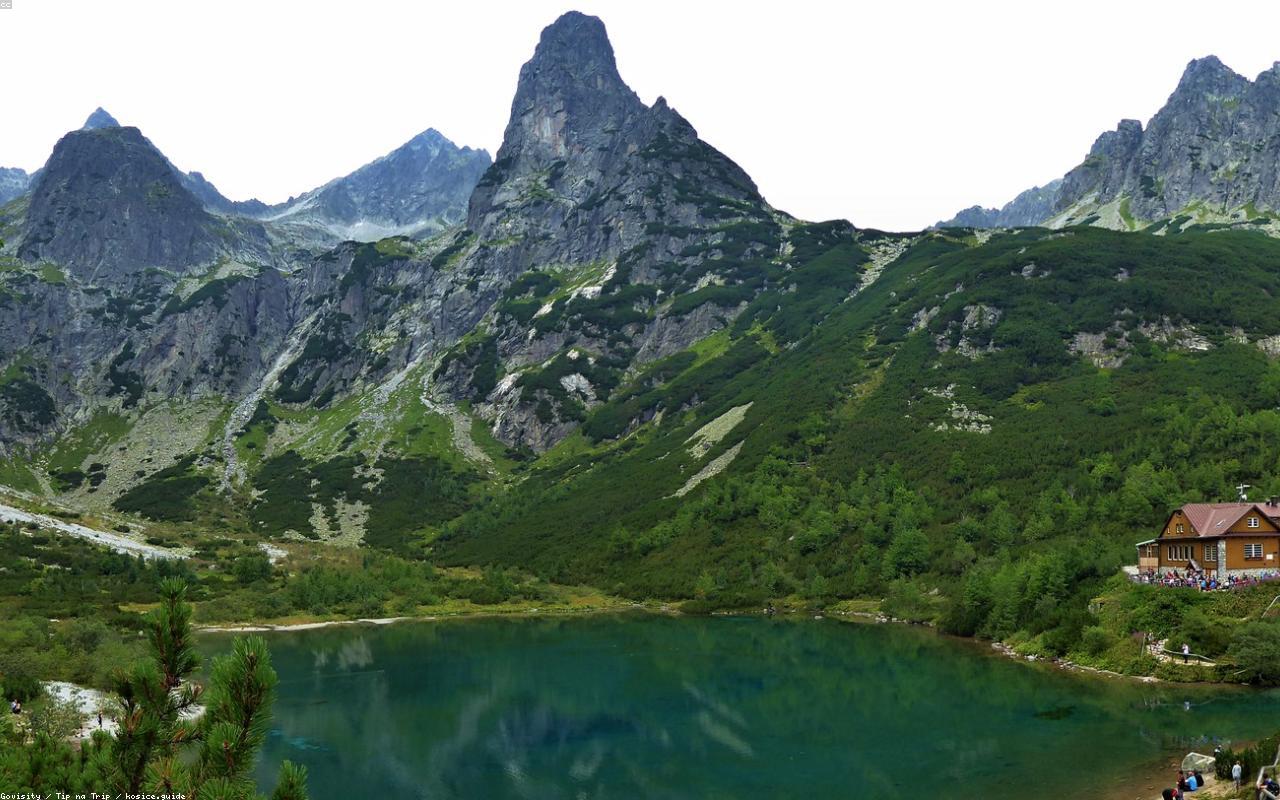
On the morning of 14 June 2026, Ingrid Vestre carried the last propane bottle up the switchbacks from Sundal and opened the shutters of the Bondhusbu hut for the season. The wind was northwest at fourteen knots. The temperature on the porch thermometer read four degrees.
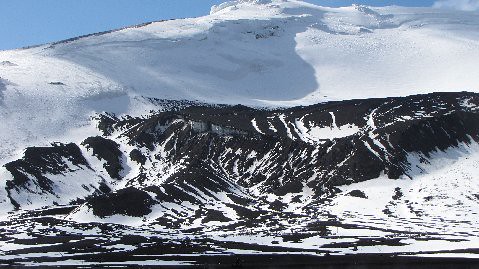
Bondhusbu sits at 1,040 metres on a moraine shelf above the Bondhus valley in west Norway, eight kilometres from the Folgefonna glacier's western tongue. The hut has been operated under one warden or another since 1968. Vestre, who is thirty-one and a former cartographer for Statens Kartverk, took the post for her fourth season this year.
Her duties are not unusual for a Norwegian Trekking Association warden. She cooks two evening meals, manages the bedding for sixteen bunks, monitors the cistern, and keeps a daily log of weather, visitor numbers, and any incidents on the approach.
What is unusual, perhaps, is the rhythm she has settled into across four summers. She rises at 05:40, lights the wood stove, and writes the day's weather notes before she boils water for coffee. The pattern has not varied since 2023.
The approach to Bondhusbu from the Sundal trailhead climbs roughly 950 metres over six kilometres. Most parties take three to four hours. The trail crosses the Bondhuselva twice on suspension bridges and skirts the lower terminus of the Buerbreen on the final ascent.
Vestre keeps a register of trail conditions on the lintel above the door. As of late June, the upper crossing was still icy on its northern aspect, and she had warned three Dutch groups to add forty minutes to their estimates.
The hut sleeps sixteen in three rooms. There is no electricity beyond a small solar panel that runs two LED bulbs in the kitchen and a VHF radio. Water comes from a spring twenty-two metres uphill, fed through a copper pipe that Vestre's predecessor laid in 2019.
On 27 June, a party of four from Bergen arrived after dark in light rain. Two were underdressed for the upper section. Vestre fed them oatmeal, lent dry socks, and noted the incident in her log without comment. She has done this between sixty and ninety times across her seasons.
The DNT model expects wardens to be hosts, not rescuers. Vestre says she has called for helicopter assistance once in four years, for a French climber with a suspected fractured ankle on the Buerbreen lateral moraine. The call was made on the VHF at 14:22 on a Sunday in July 2024.
The hut's food stores arrive by helicopter in mid-May and again in early August. Vestre orders to a list refined over the seasons: dried peas, oats, hard tack, smoked salmon, lingonberry preserves, twelve kilograms of coffee. There is no fresh produce after the first week.
Dinner is at 19:00 sharp. Vestre serves a single dish, usually a stew or fish soup, with bread she bakes on the wood stove every other day. Guests sit on benches around two long tables. Conversation is in Norwegian, German, English, and sometimes Slovenian.
Most evenings she finishes the dishes by 21:00 and spends an hour at the kitchen table writing letters to her sister in Tromsø. She has written one letter a week, every week she has been at the hut, since 2023. Her sister has saved every one.
Visitors at Bondhusbu skew older than the Trolltunga crowd to the south. The median age in Vestre's logbook this summer is forty-seven. Many are repeat guests. One Bavarian couple has signed the register in late June every year since 1996.
The hut's library is a single shelf of paperbacks left behind by guests. There is a 1991 edition of Peer Gynt in German, a Jo Nesbø novel, and a tattered copy of Galen Rowell's Mountain Light that has been there since at least 2018.
On 9 July, the cistern ran low after a dry week. Vestre cut the rinse cycle on the dishes and posted a polite note in three languages on the kitchen door. The next rain arrived four days later. The note came down on 14 July.
Vestre's contract pays roughly 32,000 kroner a month plus board, which she describes as adequate rather than generous. She supplements it by writing seasonal pieces for a regional walking magazine and by doing translation work in the off-season.
Her predecessor, a retired schoolteacher named Olav Lothe, ran Bondhusbu for fourteen consecutive summers and handed over a hut in spotless order. Vestre says she has tried to maintain his standard. The brass kitchen scale, calibrated in 1972, still works.
By mid-August, the days at 60 degrees north are visibly shortening. Vestre's morning weather notes begin to record frost on the boardwalk. The first guests arrive in down jackets. The wood pile, which started the season at five cubic metres, is down to two.
On 31 August, a Swedish guide led a party of nine schoolchildren up from Sundal as part of a week-long course. Vestre cooked extra and let the children sleep on the floor of the dining room. She charged the school the standard rate and did not mention the surplus.
She closed the hut on 14 September. The last guest, a solo Finnish woman walking the western Folgefonna circuit, left at 06:30. Vestre drained the pipes, secured the shutters, and walked down to Sundal carrying out two weeks of accumulated rubbish in a sixty-litre pack.
The season's logbook records 412 guest-nights, three minor first-aid incidents, one helicopter resupply, and 187 millimetres of rain. Vestre has filed it with the DNT office in Bergen and has signed up for 2027.
She spent October in Tromsø with her sister, reading the letters back.